What you need to know about starting Secondary School
Guest blog by Sarah Ockenden
I’ve asked Sarah, who we collaborate with in our FREE facebook group Education Support 4 Parents to write a blog post all about the information you need to know as your child starts secondary school. Sarah has been through this with her son, so not only has experience as a parent but also as a teacher.
Sarah runs ‘Study English with Sarah’ and is an English Teacher and Tutor. If you need an English Tutor Sarah is definitely someone to go to.
Starting secondary school
The transition from primary to secondary school is always a big step, but this year it feels even more significant as we emerge from lockdown. So how do you prepare yourself and your child for the changes ahead? This article explores several key differences between primary and secondary education and considers ways to support your child to settle into the new routines as quickly and smoothly as possible.
Uniform
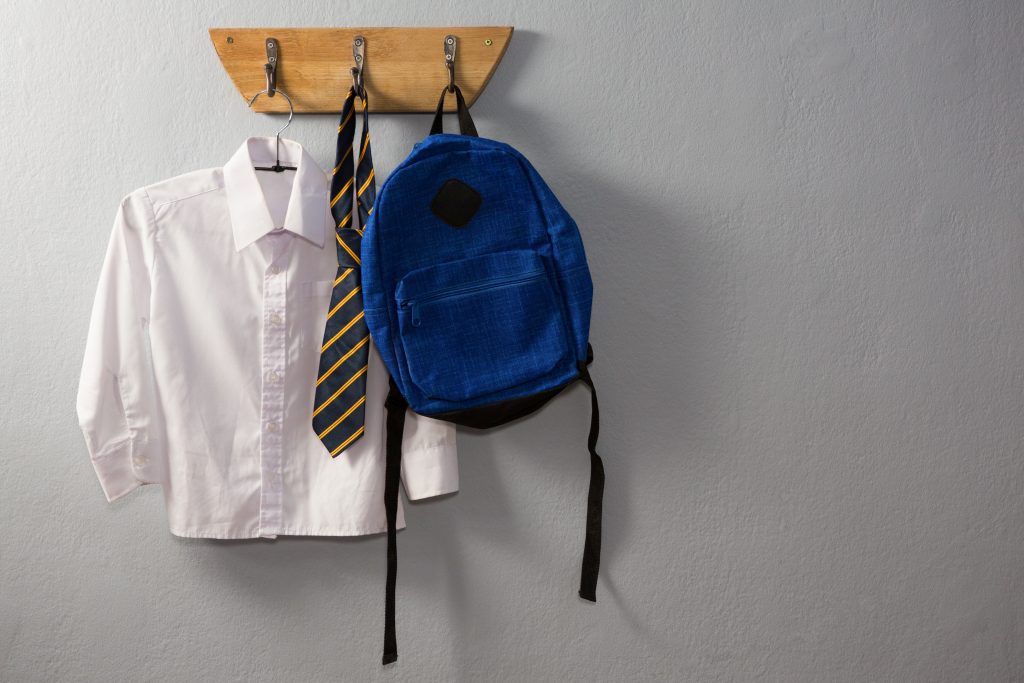
The uniform is usually stricter in secondary schools than in primary schools and your child may have to get used to wearing items of clothing such as a blazer, formal shirt and a tie for the first time. Ensure that you know the uniform expectations and allow enough time to purchase the items you need. Items with the school logo are only available through specialist retailers and at present you may need to book an appointment rather than just turn up. You can help to prepare your child by letting them try on the clothes again at home, practise doing up their tie if needed and wearing in their shoes. My son is quite sensitive about clothing textures and we always find that washing the new shirts softens the collars up and makes them easier to wear.
Getting to school
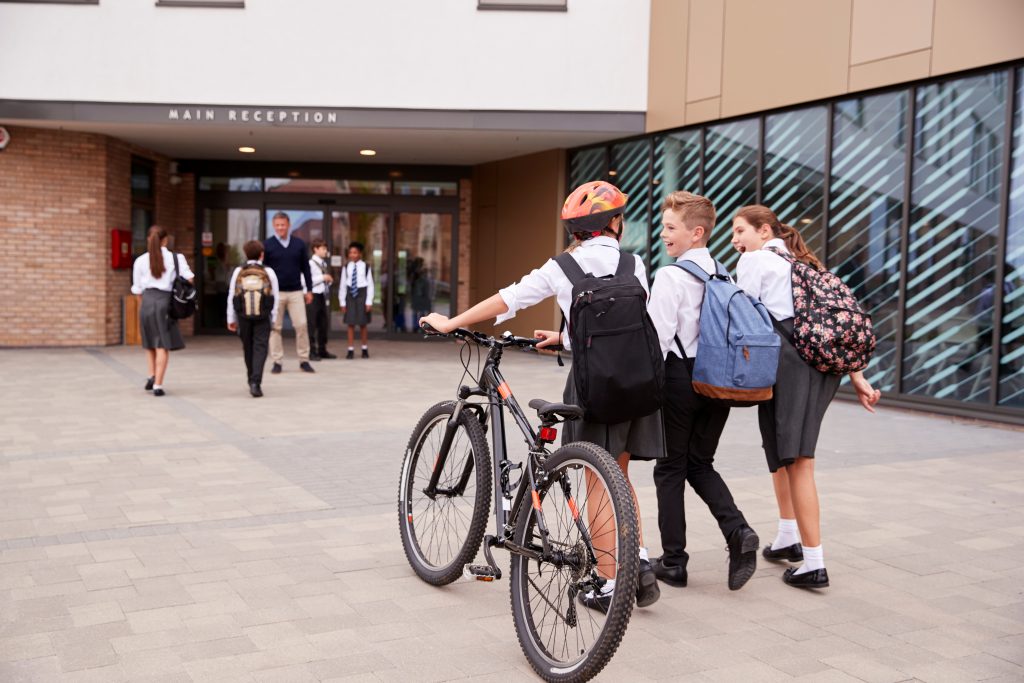
Another big change is likely to be the way they get to school. Perhaps they have to catch a bus or will be walking in by themselves for the first time. Practise the route with them in advance, so they know exactly where to go, which bus to catch and make a plan for emergencies. This is especially important if they will be relying on public transport in case there are cancellations or delays. You could offer to drop them off and pick them up to begin with, if the school journey is something that they’re worried about.
Lessons and teachers
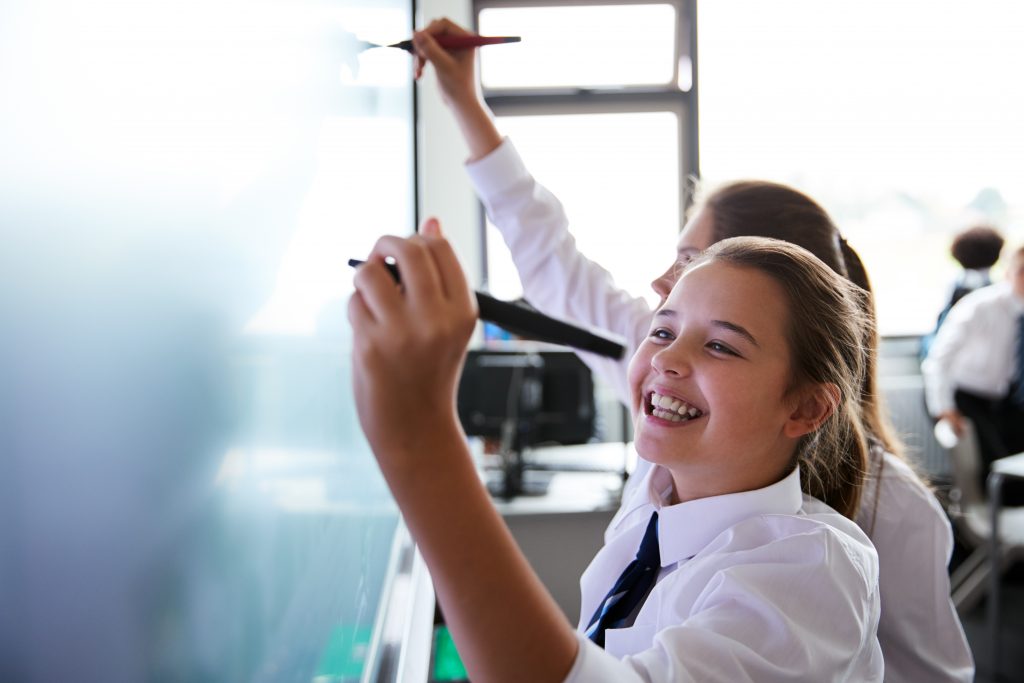
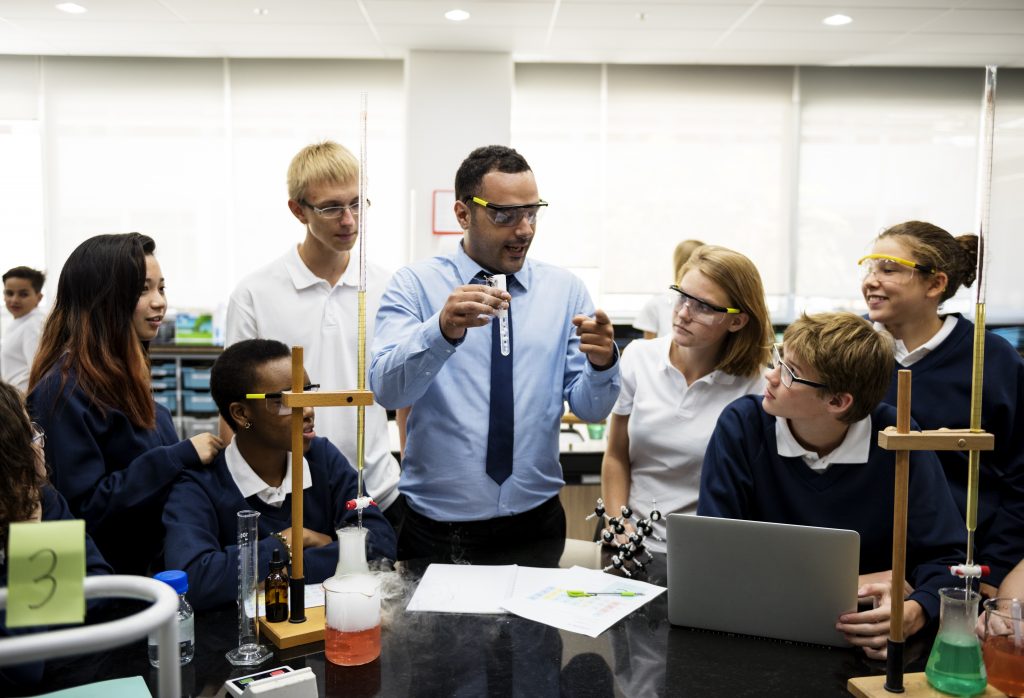
Unlike in primary school, your child will have their lessons broken down in separate subjects and will have a different teacher for each one. This can be a good thing – if there is a teacher they don’t like then they only have to see them once or twice a week rather than being stuck with them every day for a year! Be positive about these changes and help your child to see the plus points if they are anxious about starting a new subject or having lots of different teachers. They will soon settle into the new routine and might find that they really enjoy lessons in the science lab, design technology or languages that they might not have been taught in primary school.
Finding their way around
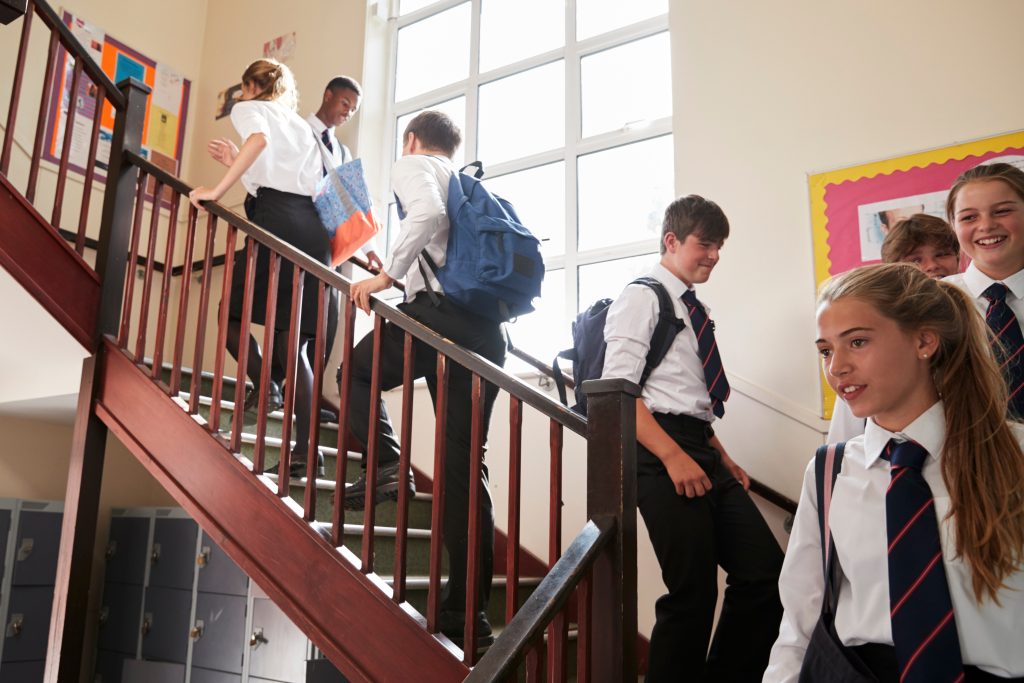
Secondary schools are often much larger than primary schools and your child will need to get used to the layout and finding their way around. When my son started year 7, they gave them a map of the school with their timetables which was really helpful. If you are given a map or timetable in advance then study this together and talk through their new routine. Also remind your child to ask for help if they need it. The teachers know how daunting it can be to begin with and won’t mind showing them the way. This year it’s important to find out what the school procedures will be for entering and exiting the building and moving around inside. For example, there may be designated entrances for different year groups and extra handwashing facilities to be used between lessons.
Homework
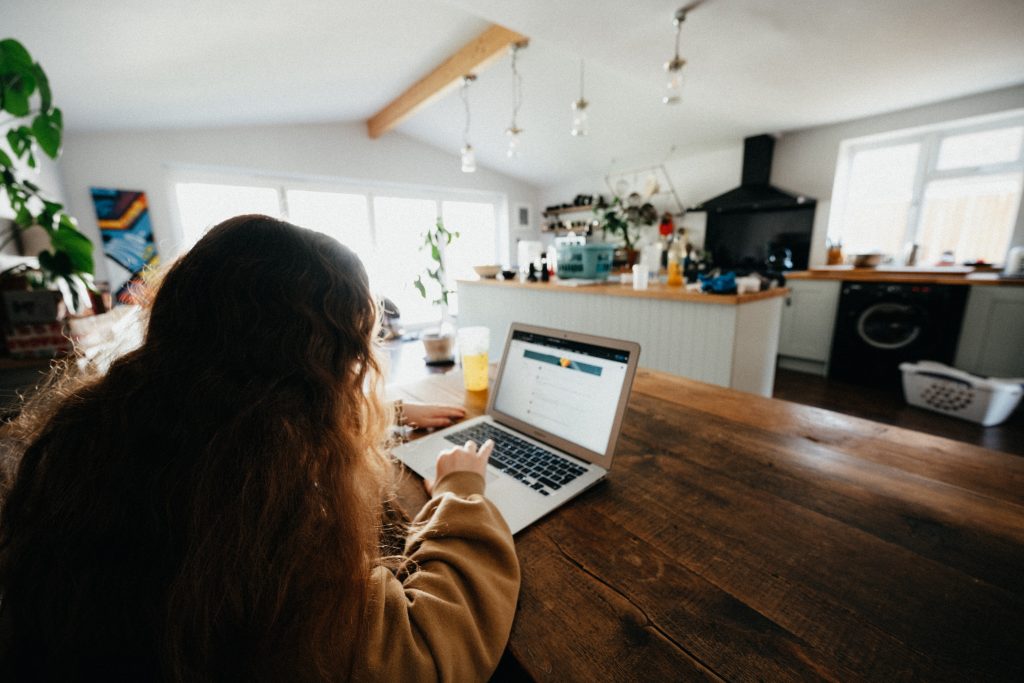
When your child starts secondary school you should be sent a homework policy and the teachers will explain the expectations during the transition period. You can support your child by agreeing set times to do their homework that fit in around any activities and family commitments which will ensure that they get their homework handed in on time. Homework can be a great link between home and school and will allow you to see some of things they are learning. Use it as an opportunity for discussion and to show interest in your child’s school work.
Communicating with school
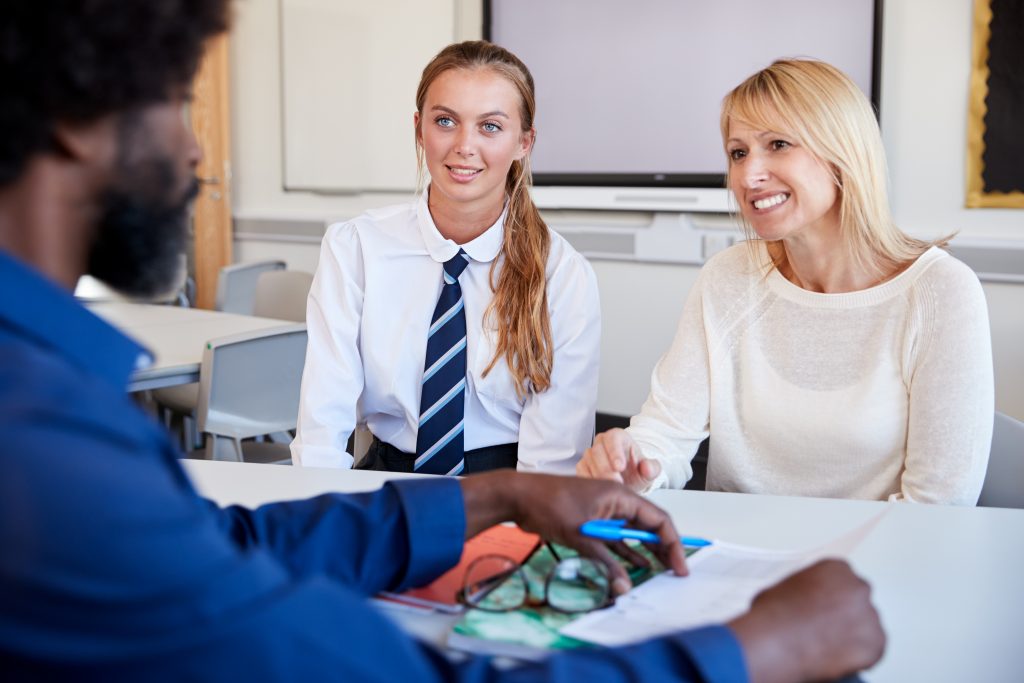
As a parent, it felt very strange to go from dropping my son at the school gates each day and having the opportunity to chat to his teachers whenever needed, to him walking to and from school by himself and only really having contact with his teachers on parents evening. Whilst face-to-face meetings do decrease, there is still good communication between the school and parents in secondary schools. It’s important to find out how the school will communicate with you (often by email) and to make sure that they have up-to-date contact details for you. If you have any problems or concerns, phone or email the school and they will put you in touch with the right person.
Staying positive
The transition from primary to secondary can seem overwhelming, but it’s also really exciting; a time for a fresh start, new friends and more independence as your child grows up. Be positive about your child starting secondary and if you do have concerns, try not to pass these on to your child. Talk to them about the changes ahead and how they feel, so that you can help to address any worries and help them to feel more relaxed about the future.
Planning ahead, discussing changes with your child and practising the new routines where possible will really help to create a smooth transition into secondary school. Remember that the school and teachers will also help to make the transition as easy as possible and that everyone else in Year 7 is in the same situation. You and your child are not alone!
If you have any more tips or questions about starting secondary school and the latest Covid-19 guidelines, come and chat to us in our FREE education support for parents group on Facebook. We’d love to hear from you.
This website uses cookies to improve your experience while you navigate through the website. Out of these cookies, the cookies that are categorized as necessary are stored on your browser as they are essential for the working of basic functionalities of the website. We also use third-party cookies that help us analyze and understand how you use this website. These cookies will be stored in your browser only with your consent. You also have the option to opt-out of these cookies. But opting out of some of these cookies may have an effect on your browsing experience.
Necessary cookies are absolutely essential for the website to function properly. This category only includes cookies that ensures basic functionalities and security features of the website. These cookies do not store any personal information.
Any cookies that may not be particularly necessary for the website to function and is used specifically to collect user personal data via analytics, ads, other embedded contents are termed as non-necessary cookies. It is mandatory to procure user consent prior to running these cookies on your website.