
Discover Your Genius
“Everybody is a genius. But if you judge a fish by its ability to climb a tree, it will live its whole life believing that it is stupid.”
Albert Einstein
I love this quote as it sums up so much about what I believe. It’s mostly used to discuss the exam system, but it also shows that if you are taught in a way that doesn’t suit you, then you will think that you are stupid. That’s why I’m focussing so much on learning styles. Understand your learning style and you will discover your inner genius.
Over the last few weeks we’ve been discussing my favourite learning styles. No single model describes everything about us, so I’ve been looking at three different models.
This week I’m considering the last of the three, Honey and Mumford learning styles of Activist, Theorist, Pragmatist and Reflector.
Peter Honey and Alan Mumford developed this model, which is more suitable for older children/teenagers, as the questions use more complex language than the others, and so require a higher level of understanding. As with all learning style models, I recommend that you use more than one model to get a deeper understanding of the whole young person.
Activist
An activist learns by doing (just like the kinesthetic learners in the VARK styles). They have an open mind and thrive on new challenges.
Activities to use include:
- Brainstorming
- Puzzles
- Group discussion
- Competitions

‘Remake Education Summit’ by Fabola is licensed under CC BY-SA 2.0
Theorist
A theorist likes theory! They appreciate as much background information as possible.
Activities to use include:
- Lectures
- Models
- Case studies
- Reading and Articles
Pragmatist
A pragmatist learns more from the real world. They will want to understand how the theory fits with reality. This is my preferred learning style, and therefore I will always look for the case studies in articles.
Activities to use include:
- Feedback and coaching
- Link the task with a real-life problem
- Experiments
Reflector
The reflector is thoughtful and will listen to others more than speaking. They consider the bigger picture and how everything fits together.
Activities to use include:
- Reading of books
- Case Studies
- Discuss their observations

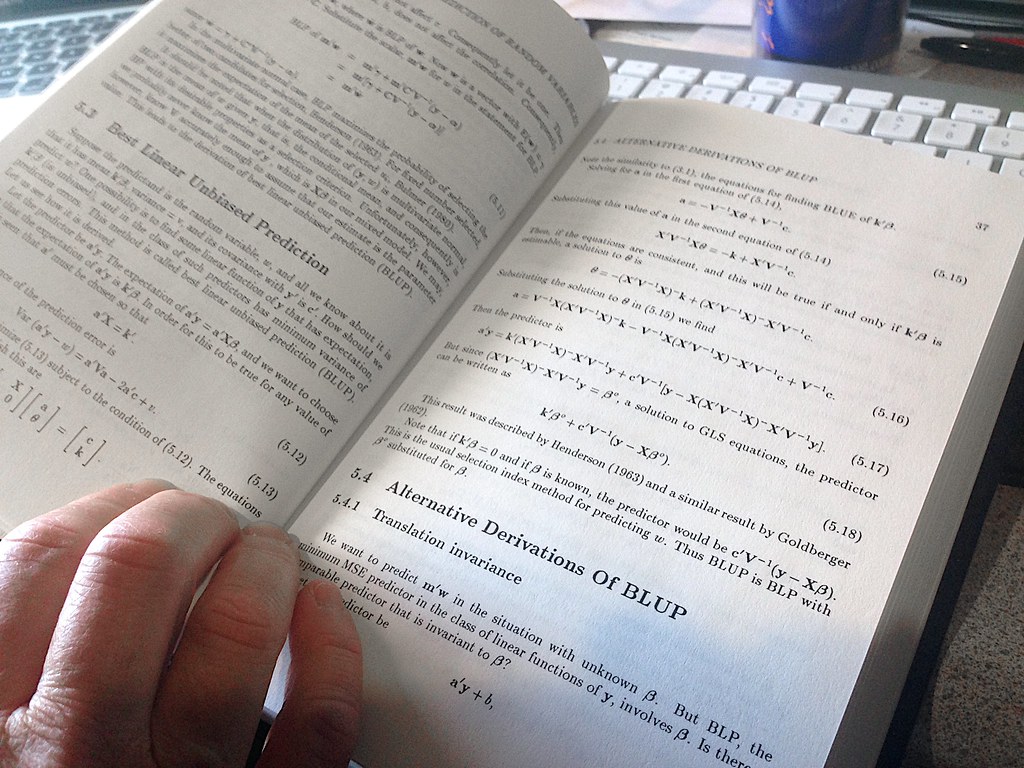
“Blup Maths” by cogdogblog is licensed under CC-BY 2.0
If you want to understand more about yours and your young person’s learning styles then my ‘Guide to Learning Styles’, available for only £7.99, includes the three learning styles that I have covered in the last few weeks. In this handy guide, you will be able to complete the questionnaires you need to identify learning styles, learn how to work with each learning style and understand what to look for in post-16 courses too. Get yours here!