fbpx
discussion
Understanding Learning Style Models to Improve Learning
Understanding Learning Style Models to Improve Learning

Understanding your young person and how they work helps you get the best from them. You can also teach them to get the best from themselves.
“The things that make me different are the things that make me”
Winnie the Pooh

Learning styles were developed because we are all different and don’t fit neatly into boxes. For that reason I recommend looking at more than one model. Below is an outline of VARK which is the first one I suggest looking at.  A full detailed guide including questionnaires to identify your child’s position in three different learning style models is available to buy here! 

Today I thought I’d give you an outline of the first method I go over, VARK. It explains the way that we learn, by giving a score in the areas of ‘visual’, ‘auditory’, ‘reading & writing’ and ‘kinesthetic’ and allows you to style learning towards the preferences of your young person. It is possible that they might be even across all the areas and therefore they can mix up these methods as it suits them. If one area is low you can work towards increasing it with different strategies. These areas can change over time.

Visual

Someone with a high visual preference uses images and mind-maps. This person may like to use colours, so make sure they have a pack of felt-tips!

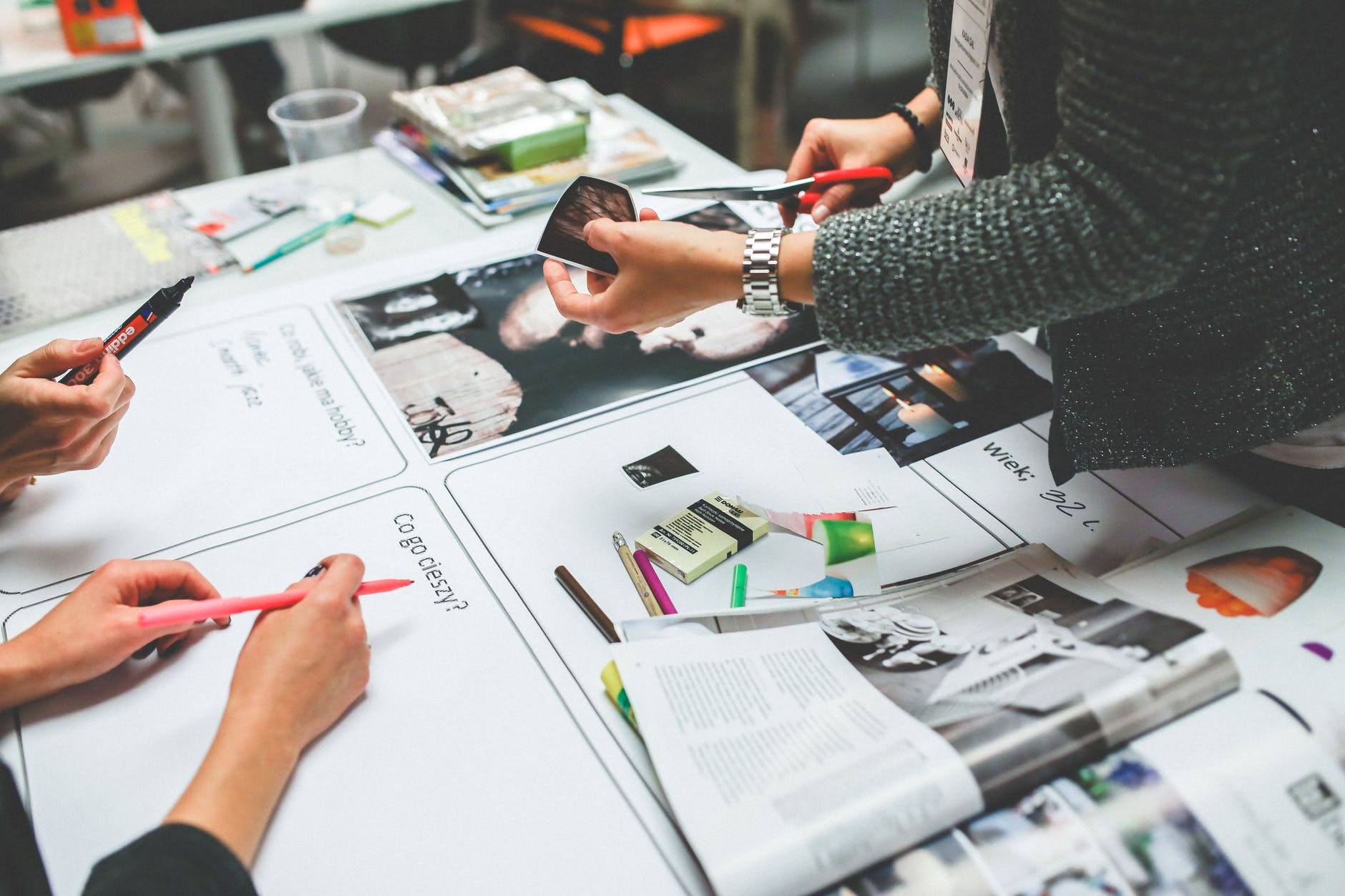
working in a group
  •  In a presentation this person likes to see diagrams. 
  • Before writing an essay brainstorm with a mind-map.
  • When solving maths problems use a visual representation 
  • Revise using mind maps
  • Highlight information or underline

Auditory

With a high auditory preference, learning takes place by listening and speaking. 

photography of woman listening to music
  • Speak out what they are writing
  • Recite and listen to facts
  • Use audiobooks 
  • Use speech to text to write documents (google documents has this under ‘tools’)
  • Use accessibility features that read text out

Reading and Writing

If this is your highest preference then you learn by reading and writing (as the name suggests!)

photo of person writing on notebook
  • Use lists, bullet points and statements
  • Understands the meaning of text
  • Write out information over and over
  • Read around a topic
  • Rewrite topics in your own words
  • When watching a video or listening to the teacher, write notes down

Kinesthetic

This is someone who learns in a hands on way. They need to apply things to real-life and need to be ‘doing’. They have a great physical memory and so movement helps them learn.

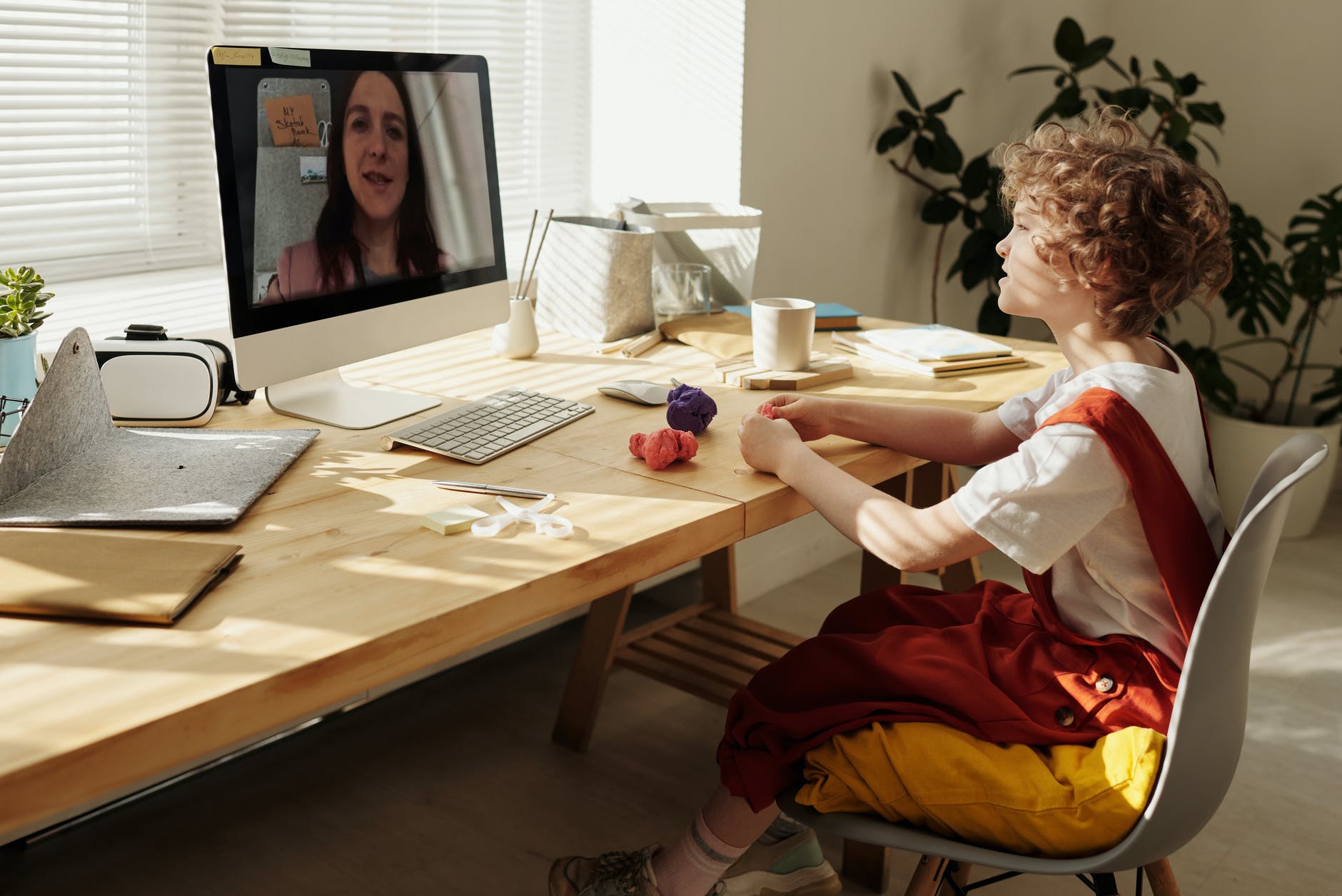
photo of child watching through imac
  • Use all the senses – sight, touch, taste, smell, hearing,
  • Add movement into your learning
  • Use physical resources to explain things (e.g. use items to group to explain division)
  • Use case studies to understand the abstract
  • Role-play situations
  • Practice, practice, practice exam questions!
  • Use actions and gestures whilst memorising and learning

Getting an understanding of the preferences of your young person in these areas helps them to succeed. Small adjustments can really help your young person and in my downloadable guide to learning styles I talk you through this and include:

  • questionnaires to identify your young person’s preferences
  • explanation of each preference
  • strategies to use in the classroom and at home
  • revision techniques for each style
  • suggestions for types of courses post 16


Get a copy now and learn more and make learning a better experience.

0

Leave a Reply

X

0

0