It’s not about Intellect
Have you ever thought that learning is all about how clever someone is, or their attitude, or how much they focus? I know I have, but there’s so much more to it.
It’s not about intellect it’s about the way we are taught
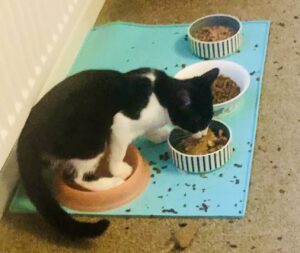
I adopted two kittens last year who are brother and sister with different personalities. The foster mum at Cats Protection told me that the girl, Betsy, would need an experienced cat owner with plenty of patience. When I first met her, Betsy hissed at me.

They had had the same upbringing, but this little girl had no trust. I couldn’t pick her up and she would run away and hide.
I did everything a responsible new cat owner should do. I gave her a space where she could hide, didn’t approach her, and let her get used to me. But no matter what I did, she eyed me with suspicion and ran away if I was near.
I like a challenge, and my approach to Betsy was similar to my approach to teaching maths. It was about being patient and working with the individual to find a way that works for them. So, I persevered.
Over time, and with treats, food, and more patience than I ever thought I had, she started to socialise a bit more. Eventually, she would even get up on the sofa to sit near me. I used treats so that she associated being stroked with something positive. After two months of patience, I could stroke her. From that point on, she enjoyed being petted, although I still couldn’t pick her up.

Four months later I had reached the point where they were going outside, and I had a cat flap fitted. I ’d never had to teach a cat how to use one, so I sought advice from a friend who said all you had to do was pick the cat up and give them a push through it. That way they get used to headbutting it and know that it leads to the outside.
Now, I don’t like to do things the easy way, I have high expectations for my cats, and so I had a cat tunnel fitted through a wall. It wasn’t just about going through the flap, they had to go through a tunnel as well. I’m not expecting my cats to do the foundation paper, they are doing the higher paper!
So, as instructed, I picked up Basil, and shoved him through. He wasn’t happy, but he was outside. Next time he went to the door to ask to be let out I picked him up, took him to the cat flap and I pushed him through with some force (don’t tell the RSPCA, it wasn’t as bad as it sounds!). The next day he went through the cat flap. Success I thought. But no, he decided he wanted to be let out the door. We went through it again, I picked him up and put him through the flap. After a bit of time, he got it. Now he’s completely independent and I don’t have to worry about him.

Betsy has been a different matter. I made the mistake of trying to pick her up to teach her the same way. I thought better of it when she struggled away and ran under the sofa. Okay, I thought to myself, this is going to require a different method. So I did some research. Prop the cat flap open and use treats. I held it open, got the lick-i-lix, and tried. She couldn’t even get her head near the flap, because it clicked being microchip operated. I continued with regular short bursts, using treats and slowly increasing what she does. Now, she she will go to the cat flap and meow to have the flap opened for her, so that she can go in or out. I’m now teaching her to come in through it when it’s slightly open, and she has to push it a bit to get in. I even think (but don’t quite believe it) that when I was out today she came in through it.

So what does this have to do with learning maths?
Well, supposedly, cats have brains the size of a walnut. I don’t think there’s any difference between the two cats in that regard. They both show signs of cat level intelligence, but their view of the world is different. It’s no different to teaching maths, if someone has maths anxiety, or a learning difficulty, they will need a different way of doing things.
When I’m tutoring a student, I have a certain way of doing things, and the first is to:
Work with the Individual
As I did with Basil and Betsy, I have to use a method that works for them. If they are a visual learner, I use a visual method. This means that I do a lot of information gathering before I start tutoring. I meet with the parent to understand what they know about their child, and then when I meet the child, I focus on understanding how they learn.
Sometimes when I talk to the parent I will make suggestions, for example, would a 30 minute lesson, or 45 minutes, be better than an hour?
I spend the first few lessons building their trust, because learning is also about:
Trust and Relationships
How many of us had a favourite teacher? Usually someone that we could trust, who we had a relationship with. If we are going to take someone out of their comfort zone, and teach them a subject they don’t like, they need to have trust in that person. It’s easier to get them to want to work with you if you believe in them and they trust you.

Speaking of getting them to want to work, the other thing that they need to understand is the:
Purpose for what they are learning
As soon as Basil realised that getting outside was achievable he knew the cat-flap was a good thing. Now I don’t necessarily think that everything in our curriculum has a purpose for our young people, but they do need a reason to learn. I think it’s helpful for them to understand why maths is useful. You may need to tailor those conversations to research on a job, or have a conversation with someone older who didn’t get Maths GCSE, or find some other hook that gives them a purpose for learning. Sometimes I’ve worked with a young person who didn’t want to have a lesson, but was forced by their parents. But after working with me for a while, once they believe in themselves, they change.

That leads me onto the next thing:
Belief in themselves
Basil is a confident chap, whereas Betsy is more timid. Most of the young people I work with start with low self-esteem. Self-belief is one of the core values of Skills4Parents. I spend a lot of time helping them realise that they CAN do maths. Once that happens things start to flow.

Often, a way to support this is to do this with:
Small Steps
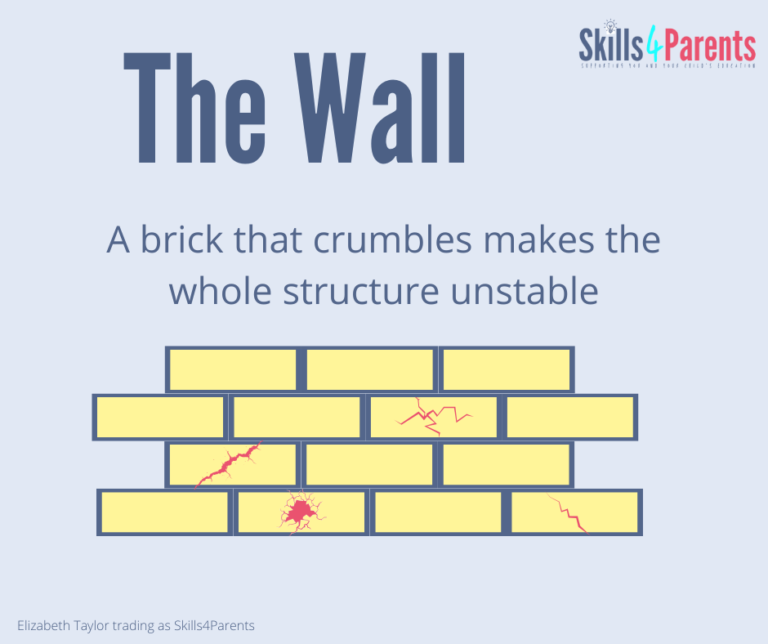
Just like breaking down how to get through the cat flap for Betsy, I break things down and focus on a little bit of maths. I start with something they can succeed at, which gives them confidence. Then I build on it, until they can do the full question. We also have to consider ‘the wall’, if there’s a piece of maths that they can’t do, it makes it difficult to move the concept on.
Even with the small steps, it’s important to:
Practice
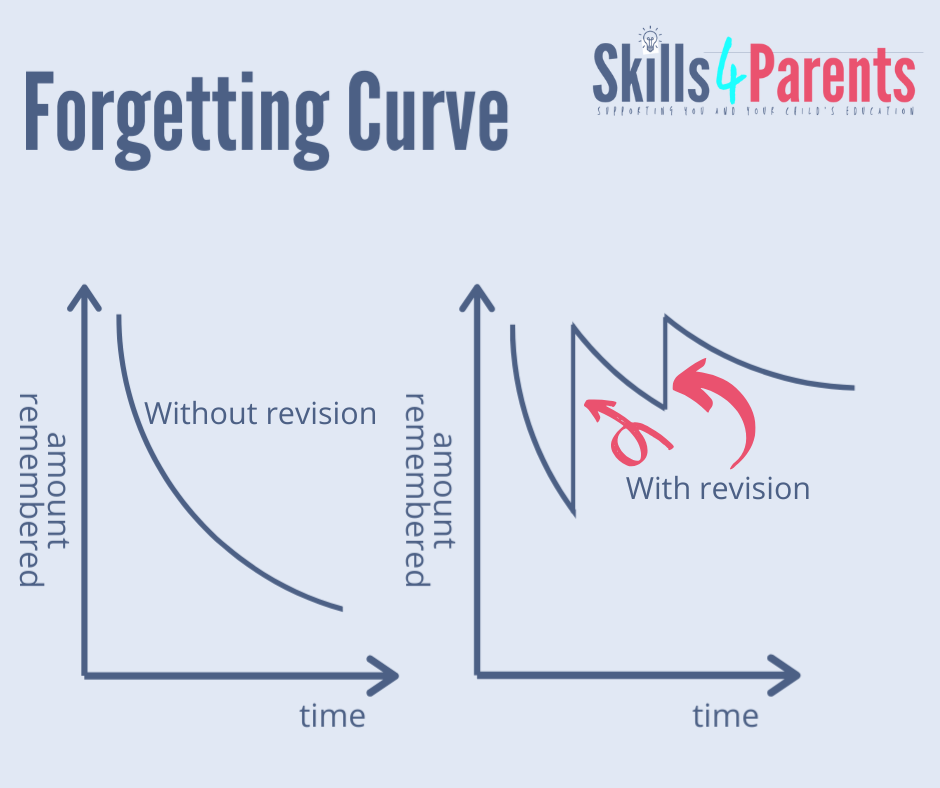
Practice helps build confidence. It also helps us remember, as we forget 50% of what we learn in an hour.
By learning and practicing, a young person consolidates their understanding, and can recall it when they come to the exam.
All of this is why I believe I’m successful with people who have maths anxiety, who find learning difficult, those where the school system has failed them.
If you are interested in tutoring with me you can find out more here, and even if you aren’t I’d love to know what you think of todays post.
I hope it helps.